
Autism is a neurodevelopmental condition that affects how individuals communicate, behave, and understand the world. Each person with autism experiences life in their own unique way. Some children may struggle to express their emotions, engage in social interactions, or adapt to changes in their daily routines, while others may display exceptional abilities in areas such as memory, music, or problem-solving.
Autism is not an illness or something caused by bad parenting; it is a condition a person is born with. Individuals with autism may find social interaction and communication challenging, specifically, they struggle to express their feelings, prefer playing alone, repeat words or actions, show repetitive behaviours, react differently to sounds, lights, or touch, and often become upset when their routine changes. Every person with autism is unique, where some speak well while others may not speak at all, some attend regular schools while others need special assistance. Thus, each child deserves understanding, respect, and the right support from caregivers and professionals to help them thrive.
I am writing this blog to spread awareness, understand autism better, and highlight the importance of support, kindness, and acceptance for children with autism.
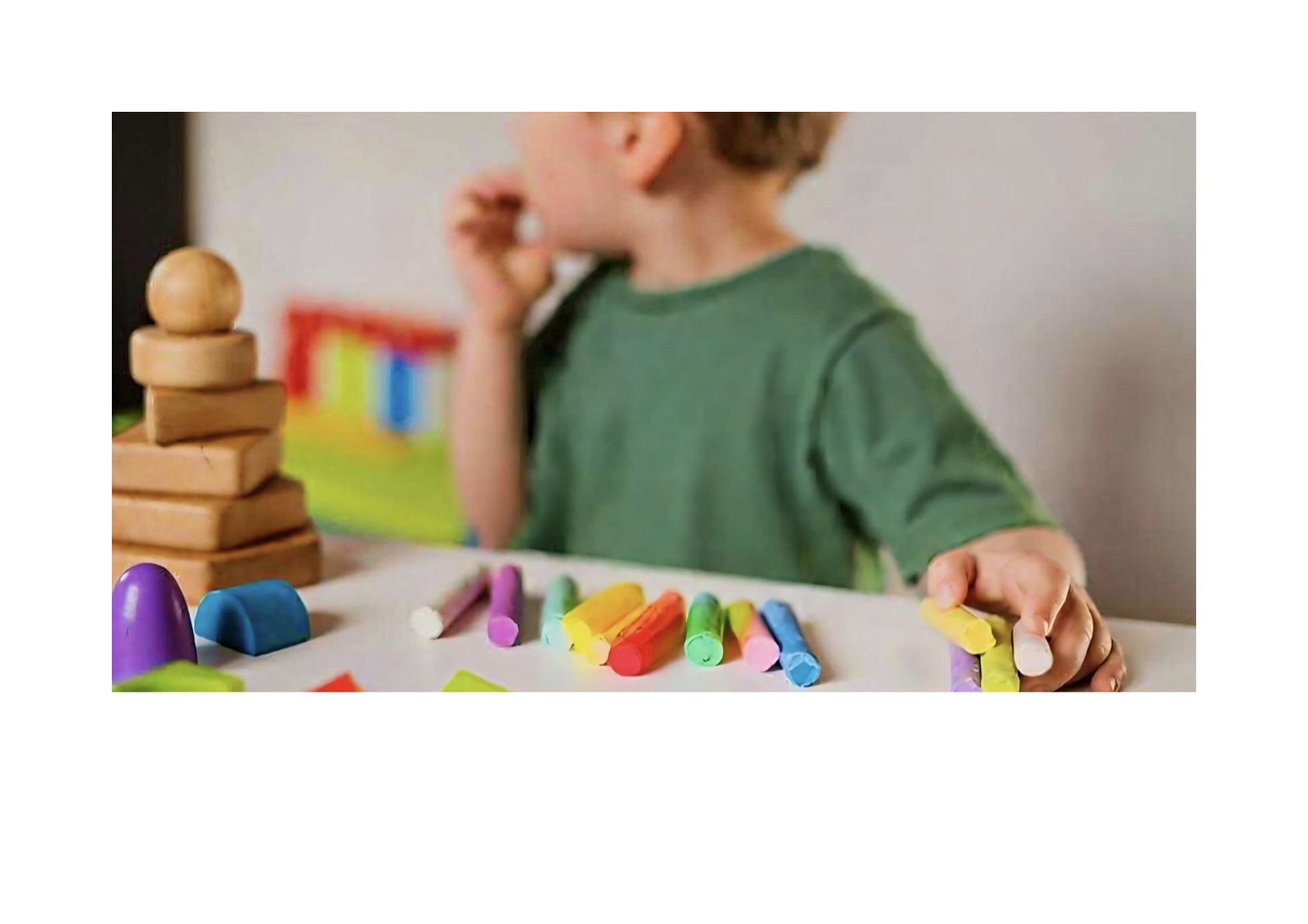
When I first met a child named Aarav (name changed), he was two years old. He showed a strong interest in lining up his toy cars and spent long periods watching spinning objects such as wheels and rotating fans. His spoken language was very limited, and he became distressed whenever there was a change in his daily routine. He rarely made eye contact, did not refer to his parents as “mama” or “papa,” and preferred to play by himself rather than with other children in group settings. He often did not respond when his name was called. If the arrangement of his toys was altered, he became extremely upset and would cry loudly. Despite these difficulties, he showed a clear love for music and would always smile when he heard his favourite songs, indicating that he understood far more than he could express verbally. Although his parents were initially concerned, consistent therapy and support helped Aarav make steady progress. Gradually, he began using simple words such as “water” and “food,” made better eye contact, and started taking part in activities he enjoyed. Today, he speaks in full sentences, communicates independently, is doing well academically, and has shown remarkable improvement in his social skills.
Autism is diagnosed by trained professionals such as psychologists and speech-language pathologists, and early intervention plays a vital role in helping children learn essential skills. Therapies like speech therapy, occupational therapy, behaviour therapy (ABA), and special education, combined with strong family support, help children communicate better, manage behaviours, and grow confidently. Progress can be slow sometimes, but every improvement is a big success. No medicine can cure autism. But therapy can help children learn skills and manage behaviours.
How We Can Support Individuals with Autism
- Be patient and understanding, children may need extra time
- Use clear, simple language
- Appreciate their strengths
- Avoid forcing eye contact or social behaviours
- Encourage communication in any form (words, pictures, gestures)
- Celebrate small achievements
To conclude, Autism is not a disease — it is a different way of thinking and learning. Children with autism think, learn, and communicate in their own special way. They are not less, they are different. With love, understanding, acceptance, right and early support, they can grow, learn, and shine brightly in their own beautiful journey.
Let us spread awareness and create a world where every child feels secure.
Author,
Ms. Deepika C (Audiologist)
Research Assistant,
AblePro Solutions Pvt. Ltd